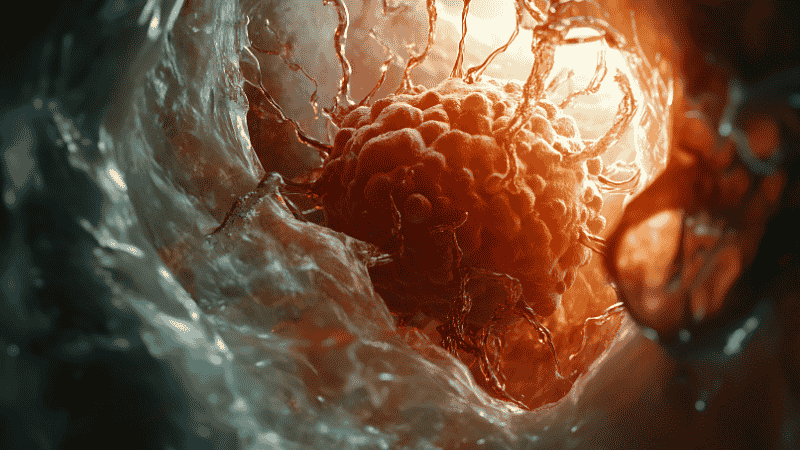
Cancer is a life challenging disease, affecting millions of lives in the UK each year. While medical advancements have significantly improved survival rates, errors in diagnosis and treatment can have consequences. If you or a loved one has suffered due to negligent cancer care, understanding your legal rights is crucial.
Understanding Cancer and Oncology
Cancer is a term used for diseases in which abnormal cells divide uncontrollably and can invade other tissues. Oncology is the branch of medicine that deals with the prevention, diagnosis, and treatment of cancer.
Common Symptoms: Cancer symptoms vary widely depending on the type and location of the cancer. Some common symptoms include:
- Unexplained weight loss
- Fatigue
- Persistent pain
- Changes in bowel or bladder habits
- Unusual bleeding or discharge
- A lump or thickening in any part of the body
Diagnosis: Accurate and timely diagnosis is critical for effective cancer treatment. Diagnostic methods include:
- Physical exams
- Imaging tests (e.g., X-rays, CT scans, MRIs)
- Biopsies
Treatment: Cancer treatment options depend on the type and stage of cancer, as well as the patient’s overall health. Common treatments include:
- Surgery
- Chemotherapy
- Radiation therapy
- Immunotherapy
- Targeted therapy
Cancer Statistics in the UK
Cancer is a major health challenge in the UK:
- Half of those diagnosed will now survive for 10 years or more, up from 24%, according to the first study of 50 years of data on cancer mortality and cases.[1]
- The rate of people dying from cancer has fallen by 23% since the 1970s, from 328 in every 100,000 people to 252.1
Common Examples of Cancer Negligence
Cancer negligence can occur in various forms, including:
- Misdiagnosis or delayed diagnosis: Failure to diagnose cancer in a timely manner can allow the disease to progress, reducing treatment options and survival rates.
- Incorrect treatment: Errors in prescribing or administering chemotherapy, radiation therapy, or surgery can cause harm and injury.
- Surgical errors: Negligence during cancer surgery can lead to complications, such as damage to surrounding organs or incomplete removal of the tumour.
- Failure to monitor: Inadequate monitoring of patients during and after cancer treatment can result in missed complications and delayed intervention.
- Lack of informed consent: Patients have the right to make informed decisions about their treatment. Failure to provide adequate information about the risks and benefits of treatment options can constitute negligence.
Why Legal Advice Is Essential
If you believe you or a loved one has suffered harm due to cancer negligence, seeking legal advice is crucial. A solicitor specializing in medical negligence can:
- Assess the merits of your case
- Gather medical evidence
- Consult with medical experts
- Negotiate with the responsible parties
- Represent you in court, if necessary
How We Can Help
Miya has a team of experienced medical negligence solicitors who are dedicated to helping cancer patients and their families obtain justice. We understand the complexities of cancer negligence cases and are committed to providing compassionate and effective legal representation.
If you or a loved one has been affected by cancer negligence, please contact us today for a free consultation. We are here to listen to your story and help you understand your legal options.
[1] https://www.theguardian.com/society/2025/jun/03/uk-cancer-survival-rate-doubles-1970s-golden-age-report