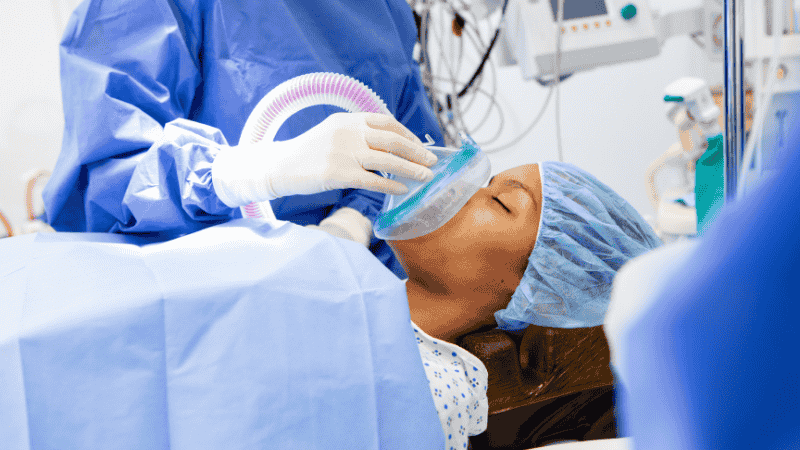
Anaesthesia is a critical part of many medical procedures, allowing patients to undergo surgery and other treatments without pain or distress. While generally safe, anaesthesia does carry risks, and complications can occur. When these complications arise due to negligence, it’s crucial to understand your rights and seek legal advice.
Understanding Anaesthesia and Its Risks
Anaesthesia works by temporarily blocking nerve signals in the body, preventing pain and awareness during medical procedures. There are several types of anaesthesia, including:
- General Anaesthesia: Induces a temporary loss of consciousness.
- Regional Anaesthesia: Numbs a specific area of the body, such as an epidural during childbirth.
- Local Anaesthesia: Numbs a small, specific area, like a tooth for dental work.
- Sedation: Used to calm and relax patients, often combined with local anaesthesia.
While anaesthesia is typically safe, potential complications can include:
- Awareness During Anaesthesia: A rare but distressing complication where a patient regains consciousness during surgery but is unable to move or communicate.
- Respiratory Problems: Anaesthesia can suppress breathing, requiring ventilation. Complications like aspiration (inhaling stomach contents) can also occur.
- Cardiovascular Issues: Anaesthesia can affect heart rate and blood pressure, potentially leading to complications like arrhythmia or cardiac arrest.
- Allergic Reactions: Some patients may have allergic reactions to anaesthetic drugs.
- Nerve Damage: Nerve damage can occur due to improper positioning during surgery or from the anaesthetic injection itself.
- Postoperative Nausea and Vomiting (PONV): A common side effect, but severe or prolonged PONV can lead to dehydration and other complications.
- Death: In very rare cases, anaesthesia complications can be fatal.
Symptoms, Diagnosis, and Treatment:
Symptoms vary depending on the complication. Awareness during anaesthesia may manifest as feelings of pain, pressure, or suffocation during surgery. Respiratory problems may present as difficulty breathing or low oxygen levels. Diagnosis typically involves monitoring vital signs during and after the procedure, as well as conducting specific tests to identify the underlying cause of the complication. Treatment depends on the specific complication and may involve medication, ventilation, surgery, or other interventions.
Anaesthesia Complication Statistics in the UK
While serious anaesthesia complications are rare, it’s important to understand the risks. According to the National Institute of Health and Care Excellence (NICE), the rate of awareness during general anaesthesia is estimated to be around 1 in 19,000 [https://www.nice.org.uk]. A report by the Royal College of Anaesthetists found that the overall mortality rate associated with anaesthesia is very low, but certain factors, such as patient age and underlying health conditions, can increase the risk [https://www.rcoa.ac.uk/].
Common Examples of Anaesthesia Negligence
Anaesthesia negligence can occur in various ways, including:
- Failure to properly assess a patient’s medical history: Anaesthetists must carefully review a patient’s medical history, including allergies, medications, and pre-existing conditions, to identify potential risks.
- Improper administration of anaesthesia: Errors in dosage or technique can lead to serious complications.
- Failure to monitor a patient adequately: Anaesthetists must continuously monitor a patient’s vital signs during the procedure and respond promptly to any changes.
- Failure to provide adequate post-operative care: Patients need to be monitored after surgery to ensure they recover safely from anaesthesia.
- Defective Equipment: Malfunctioning equipment can lead to the incorrect dosage of drugs being administered.
Why You Need Legal Advice
If you or a loved one has suffered an anaesthesia complication due to negligence, it is important to seek legal advice. An experienced solicitor can help you:
- Investigate the circumstances of the complication: Determine whether negligence occurred and gather evidence to support your claim.
- Assess the extent of your damages: Calculate the financial losses you have suffered, including medical expenses, lost income, and pain and suffering.
- Negotiate with the responsible parties: Attempt to reach a fair settlement with the hospital trust, anaesthetist, or insurance company.
- Issue court proceedings if necessary: If a settlement cannot be reached, your solicitor can issue court proceedings to protect your rights.
How We Can Help
At Miya, we have a team of experienced solicitors who specialize in medical negligence claims, including those involving anaesthesia complications. We understand the complexities of these cases and are committed to helping our clients obtain the compensation they deserve.
We will work closely with you to:
- Provide a free initial consultation to discuss your case.
- Thoroughly investigate the circumstances of the complication.
- Obtain expert medical opinions to support your claim.
- Negotiate with responsible parties.
- Represent you in court proceedings if necessary.
If you believe you have been a victim of anaesthesia negligence, please contact us today for a free consultation. We are here to help you navigate the legal process and fight for your rights.