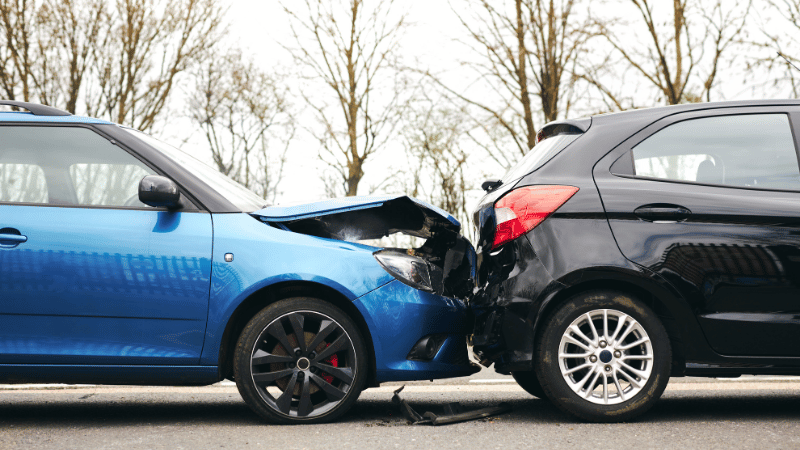
Road traffic accidents are unfortunately a common occurrence, and when they’re caused by driver negligence, the consequences can be overwhelming.
Understanding Driver Negligence in RTAs
Driver negligence refers to a driver’s failure to exercise reasonable care while operating a vehicle, leading to an accident. This can take many forms, including:
- Speeding: Exceeding the speed limit or driving too fast for the conditions.
- Drunk Driving: Operating a vehicle under the influence of alcohol or drugs.
- Distracted Driving: Texting, talking on the phone, or engaging in other activities that divert attention from the road.
- Careless Driving: Failing to pay proper attention to the road, such as failing to check mirrors or blind spots.
- Violation of Traffic Laws: Disobeying traffic signals, signs, or other regulations.
Common Injuries and Medical Considerations
RTAs can result in a wide range of injuries, from minor cuts and bruises to severe and life-threatening conditions. Some common injuries include:
- Whiplash: A neck injury caused by sudden, forceful movement of the head. Symptoms include neck pain, stiffness, headaches, and dizziness. Diagnosis typically involves a physical examination and imaging tests like X-rays. Treatment options range from pain medication and physical therapy to wearing a neck brace.
- Fractures: Broken bones, which can occur in any part of the body.
- Head Injuries: Concussions, traumatic brain injuries (TBIs), and other head trauma.
- Spinal Cord Injuries: Damage to the spinal cord, which can lead to paralysis.
- Internal Injuries: Damage to internal organs, such as the liver, spleen, or kidneys.
Medical treatment for RTA injuries can be extensive and may involve surgery, rehabilitation, and long-term care.
UK Statistics on RTAs
According to Department for Transport statistics in reported road collisions in Great Britain in 2024 there were an estimated:
- 1,633 fatalities, an increase of 1% compared to 2023
- 29,537 killed or seriously injured (KSI) casualties, little change compared to 2023
- 128,375 casualties of all severities, a decline of 3% compared to 2023
These figures highlight the importance of addressing driver negligence to improve road safety.
Other Examples of Negligence in RTAs
Beyond the common examples listed above, other forms of driver negligence can contribute to RTAs, such as:
- Driving while fatigued: Operating a vehicle when excessively tired.
- Improper vehicle maintenance: Neglecting to maintain a vehicle in safe working order.
- Aggressive driving: Tailgating, weaving through traffic, and other aggressive behaviours.
Why Legal Advice is Crucial
If you’ve been injured in an RTA caused by a negligent driver, seeking legal advice is essential. A solicitor can help you:
- Understand your rights: Explain your legal options and the potential for claiming compensation.
- Gather evidence: Collect evidence to support your claim, such as police reports, medical records, and witness statements.
- Negotiate with insurance companies: Deal with insurance companies on your behalf and ensure you receive a fair settlement.
- Represent you in court: If necessary, represent you in court to pursue your claim.
How We Can Assist You
We have a team of experienced solicitors specializing in RTA claims. We can provide you with expert legal advice and representation to help you obtain the compensation you deserve. We will:
- Thoroughly investigate your case.
- Provide clear and concise legal advice.
- Negotiate with insurance companies.
- Represent you in court, if necessary.
If you’ve been injured in an RTA caused by driver negligence, don’t hesitate to contact Miya solicitors for a free consultation. We’re here to help you navigate the legal process and seek justice for your injuries.