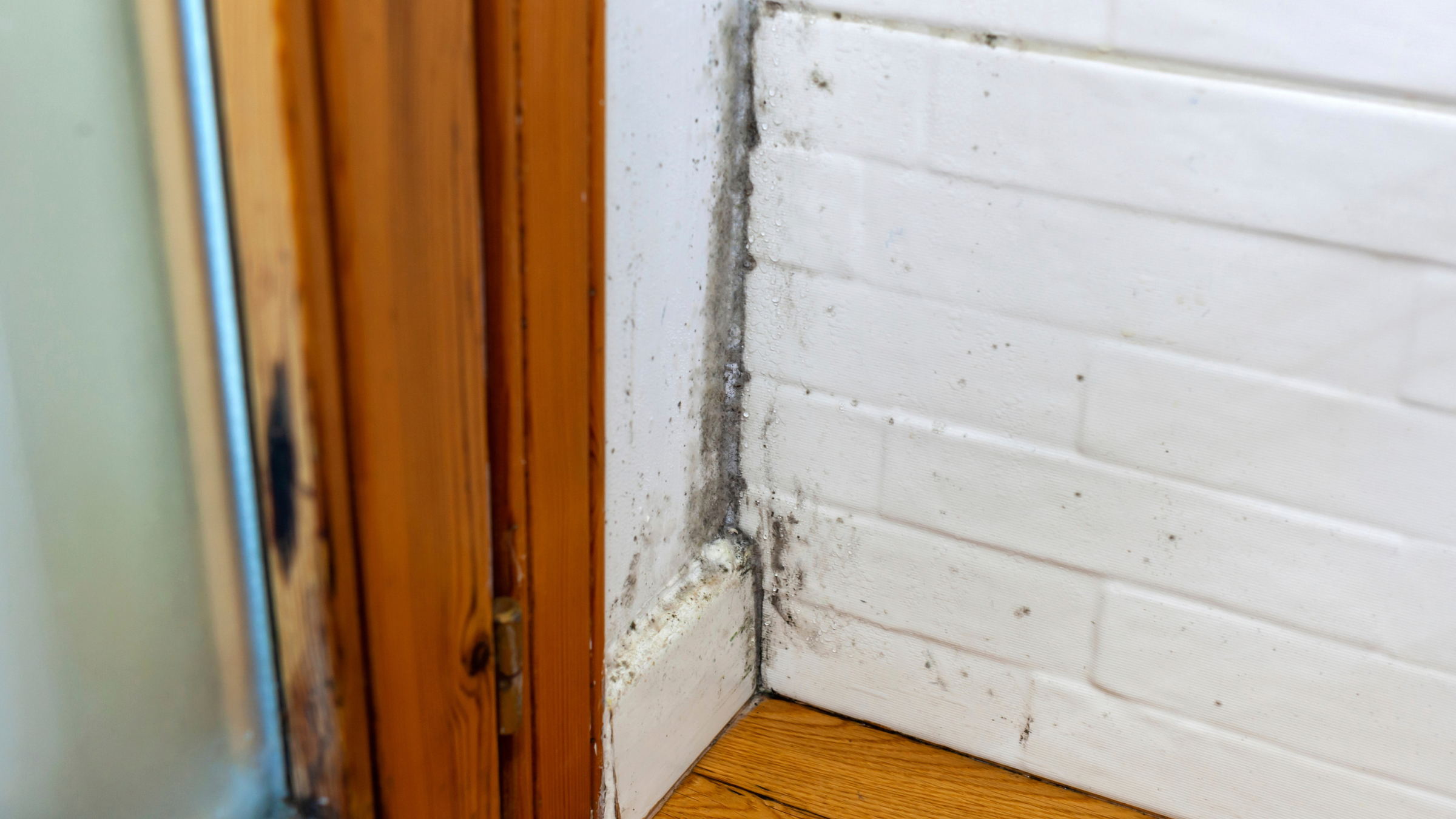
Damp and mould in social housing properties remain a serious concern across the United Kingdom. Recent national reporting has highlighted the health risks associated with prolonged exposure, particularly for children, elderly residents, and individuals with respiratory conditions. Persistent damp can lead to asthma complications, chronic cough, skin irritation, and structural deterioration of the property.
Landlord Legal Duties
Under the Landlord and Tenant Act 1985 and the Homes (Fitness for Human Habitation) Act 2018, landlords must ensure rental properties are safe and suitable for occupation. This includes maintaining structural integrity, adequate ventilation, heating systems, and protection against damp penetration. Once a landlord is notified of a defect, they are legally required to carry out repairs within a reasonable timeframe.
Failure to act may amount to a breach of statutory duty.
When Can You Bring a Claim?
A housing disrepair claim may arise where:
- Damp or mould persists despite complaints
- Repairs are unreasonably delayed
- Health problems develop as a result
- Personal belongings are damaged
Tenants may be entitled to compensation for inconvenience, distress, damage to property, and medical harm. Courts may also order landlords to complete urgent repairs.
Early legal advice is crucial. Keeping photographic evidence, medical records, and written communication strengthens a potential claim. Housing disrepair litigation not only secures compensation but can compel landlords to meet their legal obligations and ensure safe living conditions.